
What Makes a Winning Product? Secrets You’ve Never Considered Bold Moves: How Unconventional Thinking Crafts Top-Selling Products Beyond Trends: The Subtle Art of Spotting Tomorrow’s Blockbusters Today Product Success Decoded: Why Some Ideas Skyrock
- June 22, 2026
- Dropshipping
In the ever-evolving world of product innovation, the difference between a runaway success and a forgotten flop ofen hinges on factors that few dare to explore. What truly makes a product win - is it just timing, trend-chasing, or something far more nuanced? This article journeys beyond the obvious, unveiling the bold moves and unconventional thinking that transform ordinary ideas into blockbusters. From decoding the hidden lessons of brands that broke the mold to spotting tomorrow’s hits before thay emerge, we unravel the subtle art and overlooked secrets behind top-selling products. Whether you’re a creator, marketer, or simply curious, prepare to rethink what it takes to craft a product that doesn’t just survive-but thrives.
The Science of Consumer Psychology Behind Unstoppable Products
Consumer psychology unravels the hidden triggers that propel a product from mere utility to obsession. At the core lies the need for identity affirmation-people don’t just buy products; they purchase extensions of themselves. This explains the magnetic pull behind products like Apple’s iPhone and Patagonia’s gear, which serve as badges reflecting values and lifestyle choices. Moreover, the interplay between cognitive fluency and emotional resonance crafts products that feel intuitive and personally meaningful, making the consumption experience seamless and satisfying. Marketers who decode thes subtle cues can design with precision, aligning products with the unspoken desires shaping consumer decisions.
Data-driven insights reveal another layer: the power of anticipatory fulfillment. Rather than responding reactively to demand, top-selling products frequently enough satisfy needs consumers haven’t consciously identified yet. Take Tesla, as an example, which thrived not just by selling electric cars but by promising a future where sustainability and performance coexist effortlessly. Key psychological levers include:
- Scarcity effect: Limited availability boosts perceived value exponentially.
- Social proof: Authentic user stories foster trust and belonging.
- Endowment effect: Early adopters develop strong emotional bonds,becoming evangelists.
| Psychological Factor | Impact on Product Success |
|---|---|
| Identity Affirmation | Transforms products into self-expression symbols |
| Anticipatory Fulfillment | Addresses subconscious desires, driving adoption |
| Scarcity Effect | Creates urgency and exclusivity |

Navigating Market Saturation with Strategic Differentiation Techniques
In a marketplace flooded with similar offerings, standing out requires more than just tweaking a product’s features-it demands a mindset shift toward purposeful differentiation. Successful brands often carve out unique value pockets by embracing what competitors overlook: cultural nuances, emotional storytelling, or underutilized technology.Consider how a niche athletic shoe brand redefined comfort by integrating custom 3D foot scans, not simply adding flashy colors. Their strategic differentiation wasn’t about being “one more option” but radically personalizing fit, creating an experience that transcended typical buying decisions.
To navigate saturation, businesses must deploy layered strategies such as:
- Hyper-segmentation: Diving deep into micro-communities to tailor messaging and product attributes.
- Value amplification: Enhancing non-obvious benefits like sustainability credentials or post-purchase service.
- Innovative framing: Positioning products through reimagined problem-solving narratives rather than just features.
| Strategy | Example | Impact |
|---|---|---|
| Hyper-segmentation | Tailoring skincare for urban pollution | Increased engagement by 40% |
| Value Amplification | Carbon-neutral packaging | Boosted brand loyalty |
| Innovative Framing | marketing a toothbrush as a wellness ritual | Expanded market reach |
These avenues ensure products do not just exist-they resonate, refresh, and redefine categories even in crowded sectors.

Futuristic Design Principles That Anticipate Consumer Needs Before they surface
Anticipating consumer needs before they become explicit requires a mindset that stretches beyond data trends and market surveys. It’s about decoding subtle lifestyle shifts, emotional drivers, and societal evolution that quietly shape tomorrow’s demands. For instance, the rise of wearable health tech wasn’t just a technological breakthrough-it was a response to an emerging global focus on preventive wellness, aging populations, and personal empowerment. Brands leading this space tapped into these undercurrents, crafting products that felt instinctively relevant the moment they hit the market.This kind of foresight is less about prediction and more about deep empathy combined with intuitive pattern recognition that identifies gaps consumers aren’t yet aware of themselves.
Embedding futuristic design principles into product development means embracing adaptability and modularity, often inspired by nature’s own resilience. Consider how smartphones evolved from simple interaction devices to multimedia hubs by integrating AI-driven personalization, sustainability-conscious materials, and flexible interfaces. Key characteristics of such designs include:
- Dynamic User Feedback Loops: Continuous real-time data integration for iterative refinement.
- Context-Aware Functionality: anticipating varied environments and user states to deliver seamless experiences.
- Ethical Tech Integration: Prioritizing transparency, privacy, and inclusivity as foundational pillars.
| Design Principle | Example | Benefit |
|---|---|---|
| Adaptive Interfaces | Smart home control apps | Personalized user experience that evolves |
| Material Innovation | Biodegradable packaging | Sustainability with consumer appeal |
| ethical Algorithms | privacy-first data handling | Builds trust and long-term loyalty |
Analyzing Case Studies: How Niche Innovations Disrupted Established Industries
Disruption often originates from bold ideas that challenge the status quo. Consider how Airbnb redefined hospitality by turning idle homes into income-generating assets, or how Tesla revolutionized automotive by making electric a desirable, high-performance choice rather than just an eco-kind option. These niche innovations didn’t merely improve existing models; they fundamentally reshaped customer expectations and market structures. What sets these trailblazers apart is their laser focus on unsolved problems, combined with the courage to leverage technology and community in ways traditional players overlooked.
When analyzing these breakthroughs,several key factors emerge that propelled their success:
- Innovative Use of Existing Resources: Airbnb utilized existing housing stock rather than building costly infrastructure.
- Consumer Experience Reimagined: Tesla approached car ownership as a digital and eco-conscious experience.
- Community-Driven Growth: Both companies harnessed user networks for rapid trust-building and expansion.
- Strategic Timing: Launching when digital connectivity and societal values where ripe for change.
| Case Study | Traditional Industry | Disruptive Innovation | Key Impact |
|---|---|---|---|
| Airbnb | Hotel & Hospitality | Peer-to-peer lodging marketplace | Expanded accommodation options & affordability |
| Tesla | Automotive | Electric vehicles with over-the-air updates | Accelerated EV adoption & tech integration |
| Warby parker | Eyewear Retail | Direct-to-consumer affordable designer glasses | Disrupted price models and buying experience |
Key Takeaways
In the ever-evolving landscape of product creation, the path to success is rarely a straight line. As we’ve explored, winning products emerge not just from spotting the next big trend, but from bold moves, deep understanding of untapped desires, and the courage to break away from the conventional. They teach us that innovation thrives where insight meets intuition, and that the subtle nuances-often overlooked-can be the true game-changers. Whether you’re refining a concept or launching the next potential blockbuster, remember: success isn’t about following a formula; it’s about decoding a dynamic blend of creativity, strategy, and consumer connection. Keep these secrets close, and you might just be the next brand to break the mold and captivate the market.
- best-selling products, brand strategy, business growth, competitive advantage, consumer behavior, entrepreneurship, innovation, market analysis, market trends, product design, product development, product innovation, product launch, product lifecycle, product management, product marketing, product strategy, product success, unconventional thinking, winning products
Recent reviews
-
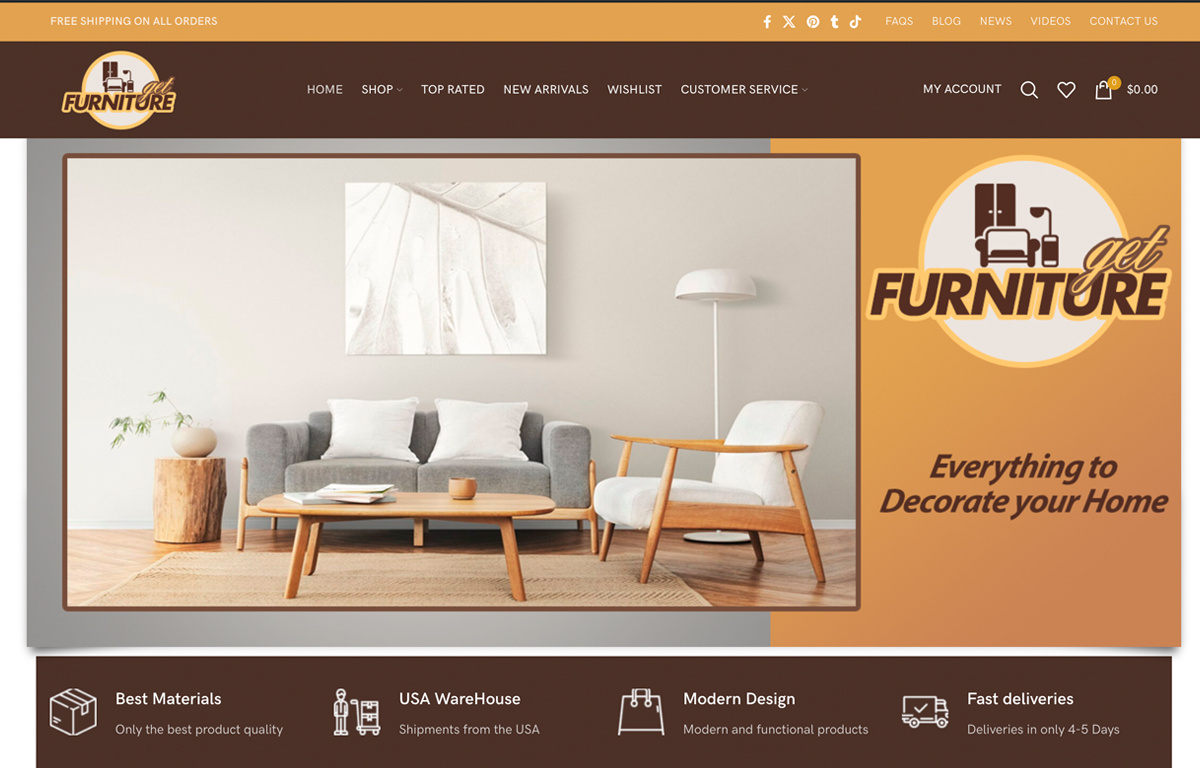
 furnitureget.com
by Erasmus
furnitureget.com
by Erasmus
Recent Post
- Mastering the Art of Supplier Success: Insider Tips You’ve Never Heard Before
- Mastering Dropshipping: Little-Known Tactics That Beat the Algorithm Every Time
- When Dropshipping Derails: Surprising Pitfalls Every Seller Should Dodge
- - What Smart Sellers Know: Product Research Tips Beyond the Obvious - The Art and Science of Product Research: Tips That Transform Ideas into Winners - Rethink Your Approach: Product Research Tactics That Defy Conventional Wisdom - Product Research
- Mastering Supplier Success: Insider Tips That Transform Vendor Relationships